Skincare is highly essential for your health and self-esteem. The common skin issues include acne, pigmentation, allergies and hair fall in Pakistan. Many people postpone seeking the help of a specialist, either because of fear, confusion or ignorance. Some believe that you should visit a dermatologist when the problem is severe.
Others have fear and are not sure what will happen during the visit. The fact is that a dermatological visit is not complicated. It safe, and highly useful. By knowing the process, you can feel more relaxed and ready. In this blog we will discuss what happens during a Dermatology consultation in Pakistan and how it will help you to take better care of your skin.
Why You Should Visit a Dermatologist
A dermatologist refers to a physician who treats skin, hair and nail issues. Most of the people visit in case they have severe problems. However, you can also take an appointment to get general advice for skin care. Consider visiting a skin doctor in case you have:
Acne or pimples which do not disappear.
Skin allergies or rashes
Issues with hair fall or dandruff.
Skin infections or itching
Nail problems
Discoloration, pigmentation or any other problem
Problems can be prevented by receiving early treatment.
Step 1: Booking Your Appointment
The initial one is to make a reservation in a clinic or hospital. Pakistan has various dermatologists in both small and big hospitals. While booking:
Ask about consultation fees
Confirm the clinic timing
Attempt to make a reservation well ahead of time to avoid waiting.
Check and experienced and professional skin specialist
This will ensure that you are calm and well organized on the day you are going to see whoever doctor you want to see.
Step 2: Preparing for Your Visit
You must pack a few things before attending your appointment. Here are some Important Tips:
Do not put heavy make-up or creams on your skin.
Cleanse your face gently
List your symptoms (when they began, what makes them worse)
Bring past medical history reports in case you have them.
Name any medications or skincare that you use.
These little measures will make the doctor get to know more about your issue.
Step 3: Initial Discussion with the Doctor
Upon meeting the doctor, the consultation always begins with a mere conversation. It is here that the doctor queries you concerning your condition. They may ask:
What problem are you facing?
When did it start?
Pain, itch or irritation?
Have you undergone any treatment in the past?
Do you have any allergies?
This is a very crucial step during a Skin doctor consultation since it aids in establishing the actual cause of the problem.
Step 4: Skin Examination
Lorem ipsum dolor sit amet, consectetur adipiscing elit. Ut elit tellus, luctus nec ullamcorper mat
The dermatologist will examine your skin closely after questioning you. This may include:
Observation of the affected areas
Examination of skin color, tone and texture.
Investigating hair or scalp where necessary.
Examining nails and checking to see whether they are diseased.
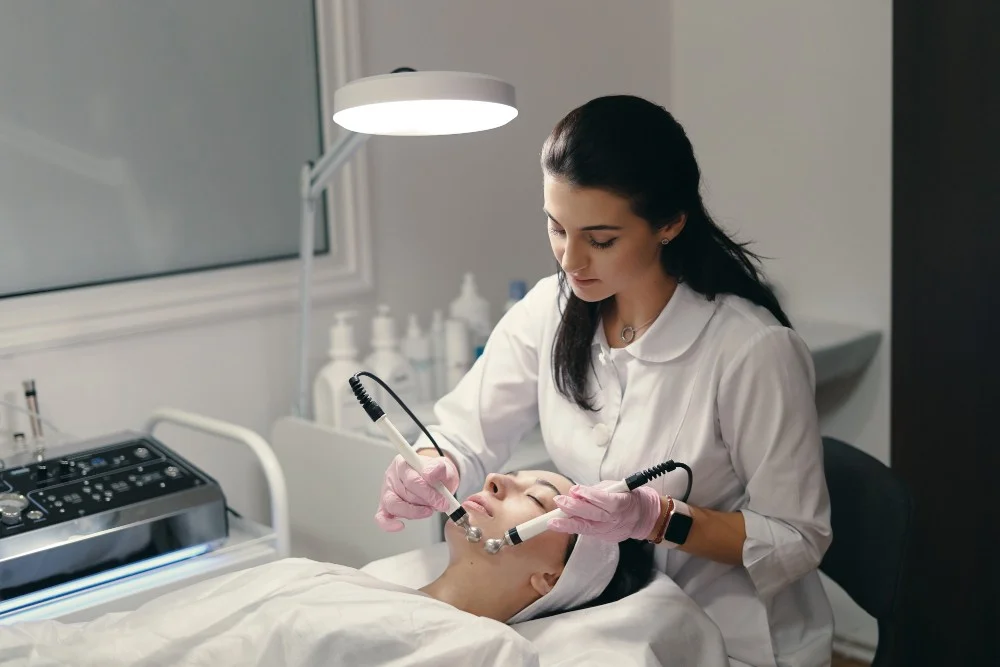
Sometimes the dermatologist uses special equipment or lighting to investigate your skin in a better way. This will assist the physician to know What to expect in dermatology and the severity of your case.
tis, pulvinar dapibus leo.
Step 5: Diagnosis of the Problem
When the diagnosis is complete the doctor will explain it for you. They will discuss:
Whatever problem you are facing
The reason behind the problem
The level of severity, whether it is moderate or not
In some cases, supplementary tests might be required including:
Blood tests
Skin swabs
Allergy tests
However, in the majority of cases, dermatologists can use only skin examination to diagnose the problem.
Step 6: Treatment Plan
After finding out the problem, doctor will recommend the treatment plan. It is one of the significant aspects of the consultation. Common Treatments Offered are:
Medicines
Creams or ointments
Tablets or capsules
Lotions or gels
Skincare Routine
The doctor may suggest:
Should have a face wash that matches your skin type.
Moisturizers
Sunscreen
Procedures (if needed)
Some clinics also offer:
Chemical peels
Laser treatments
Acne scar treatments
Whitening or lightening of the skin.
All these treatments are done very carefully. A professional will take care of it under their supervision.
Step 7: Lifestyle and Skincare Advice
Doctors do not only cure issues, they also teach you how to have healthy skin. These are the usual Dermatologist tips in Pakistan:
Always apply sunscreen prior to leaving a home.
Drink plenty of water
Do not use oily and junk food in case of acne.
Touch not, squeeze not, pimples.
Follow good skincare routine
Do not apply indiscriminate and harsh products.
Following these tips will help to enhance your skin.
Step 8: Follow-Up Visits
Most of the time, it is not enough to visit once. The physician might request you to return to them in a follow-up appointment. Follow-up visits usually are considered very important.
The dermatologist will check if the treatment is working well or not
Medicines may be adjusted
Given the progress new advice can be provided.
If you don’t follow up properly, recovery will become slower than usual.
How Long Does a Consultation Take?
An average dermatology visit takes 15 to 30 minutes. It might require more time, in case of a complex condition. But visits are mostly short and brief.
Cost of Dermatology Consultation in Pakistan
The price is based on the clinic and doctor.
Average Fees:
Private clinic: PKR 1,000 to PKR 5,000
Hospital consultation: PKR 500-PKR 2000.
More complex measures such as laser or chemical peels can be expensive.
How to Choose the Right Dermatologist?
Selecting the appropriate doctor is extremely critical towards positive outcomes. Here are some tips:
Check the qualification and experience
See comments made by other patients.
Getting recommendation from family or friends can be useful
Select a clinic that is hygienic.
Ensure that the physician hears your concerns
A good doctor will always listen to you carefully and make the correct diagnosis.
Which Mistakes You Must Avoid?
Due to lack of knowledge patients make common mistakes. However, you need to avoid the following:
Failure to follow the treatment.
Skipping medicines
Expecting instant results
Changing products too often
Home remedies
Treatment of the skin is time consuming and therefore patience is highly essential.
Final Thoughts
If you have a skin problem, it is always best to consult a dermatologist. Proper consultation will help you know more about your skin and provide you with the correct treatment that will yield long-term outcomes. You should not waste more time in case you have any skin problem. Choosing the Best dermatologist consultation can bring a significant difference in your skin health and self-confidence.